TOGETHER WE CAN BUILD

Build a World Where we All HAVE ACESS TO CLEAN,SAFE WATER AND SUSTAINABLE HYGIENE.

Who We Are

We are a Non-governmental organization in Kenya enhancing access to safe, convenient, reliable WASH and Sanitation  in rural western Kenya.

We ensure access to Safe drinking water and sanitation is within reach to deserving communities particularly women and girls who often disproportionately suffer to collect water. We believe safe water is medicine and an antidote to many preventable illness specifically  in children.

Impact Stories

MUNGAKHA ACK COMMUNITY WATER AND SANITATION PROJECT

Mungakha Community Transformed Through a Life-Changing WASH Partnership

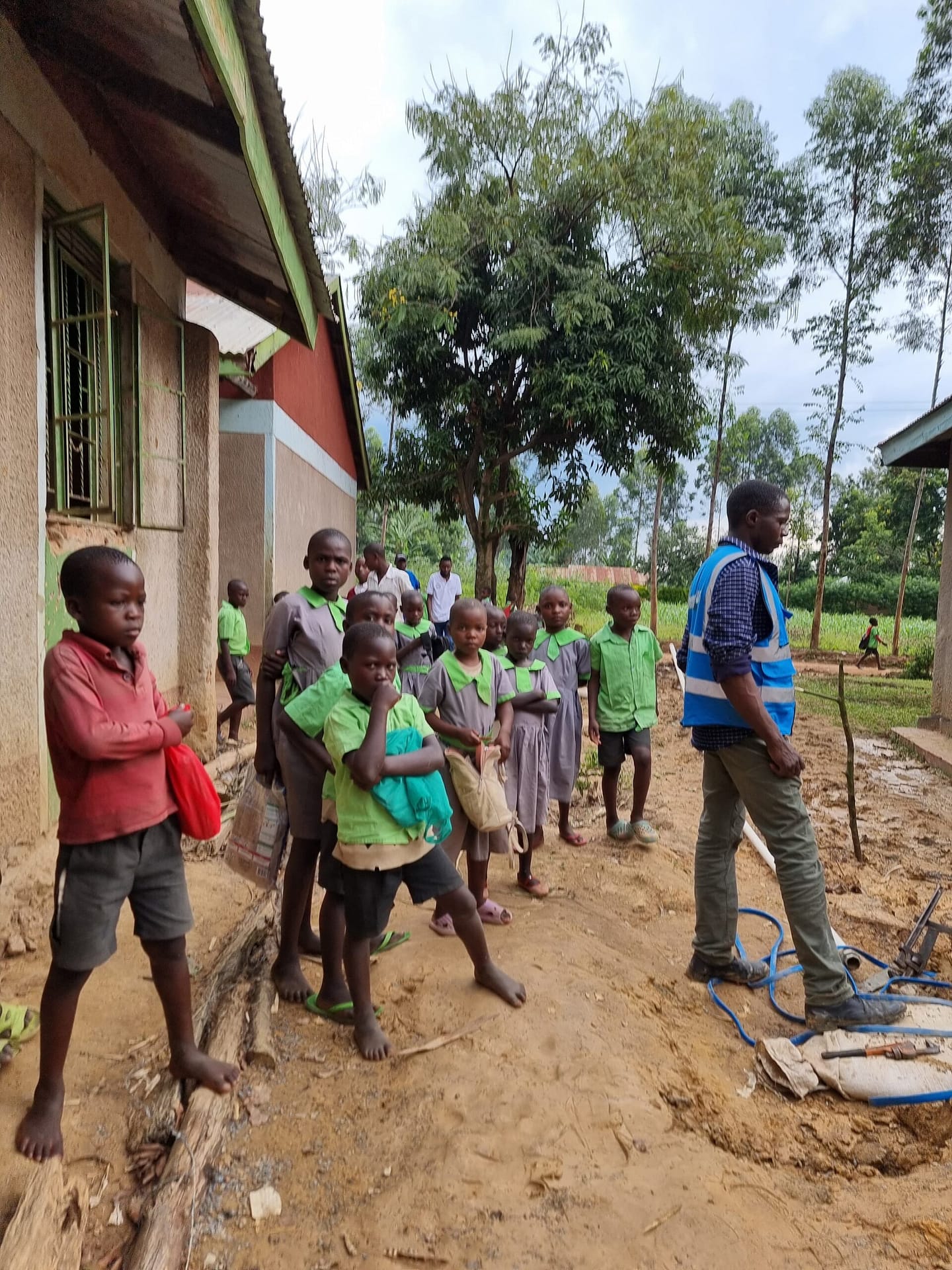
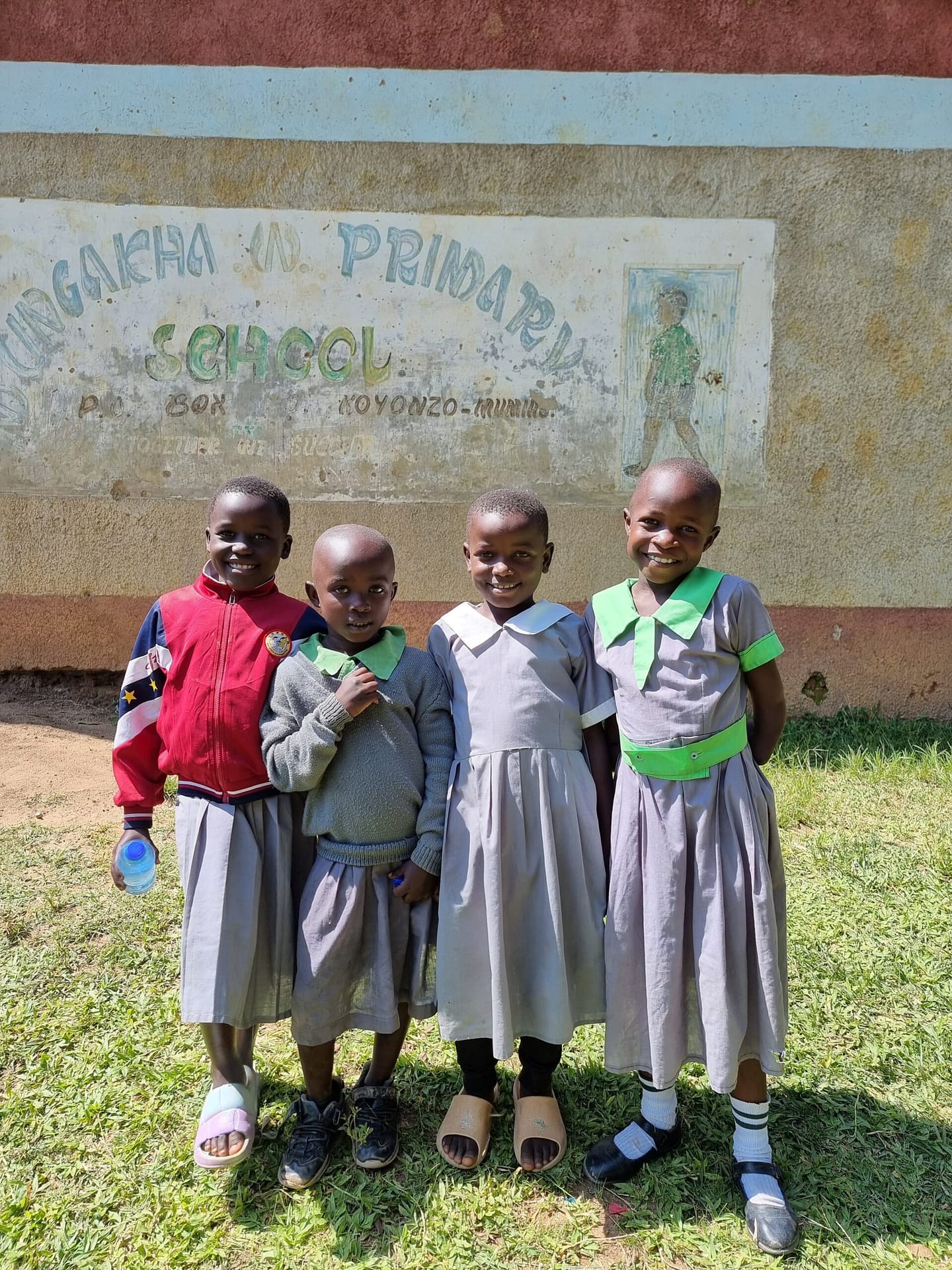
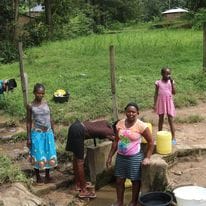
For generations, the rural community of Mungakha in Kakamega County, western Kenya, lived with the daily burden of unsafe and unreliable water. A once-functional well and pump had fallen into disrepair, leaving families dependent on an unprotected spring and nearby river. This reality placed children, especially students, at the center of hardship—many were required to carry heavy 5-gallon jerricans of water to school each day just to meet basic needs for drinking, cooking, and handwashing. Health risks were high, learning time was lost, and community development was constrained.

This situation began to change through a powerful partnership between WEFTA and the Kenyan non-governmental organization SAWASHI (Safe Water and Sustainable Hygiene Initiative). United by a shared commitment to community-driven development, the partners launched the Mungakha Water, Sanitation, and Hygiene (WASH) Improvement Project in August 2024. The initiative directly supports United Nations Sustainable Development Goal #6, which seeks to ensure universal access to safe drinking water and sanitation.

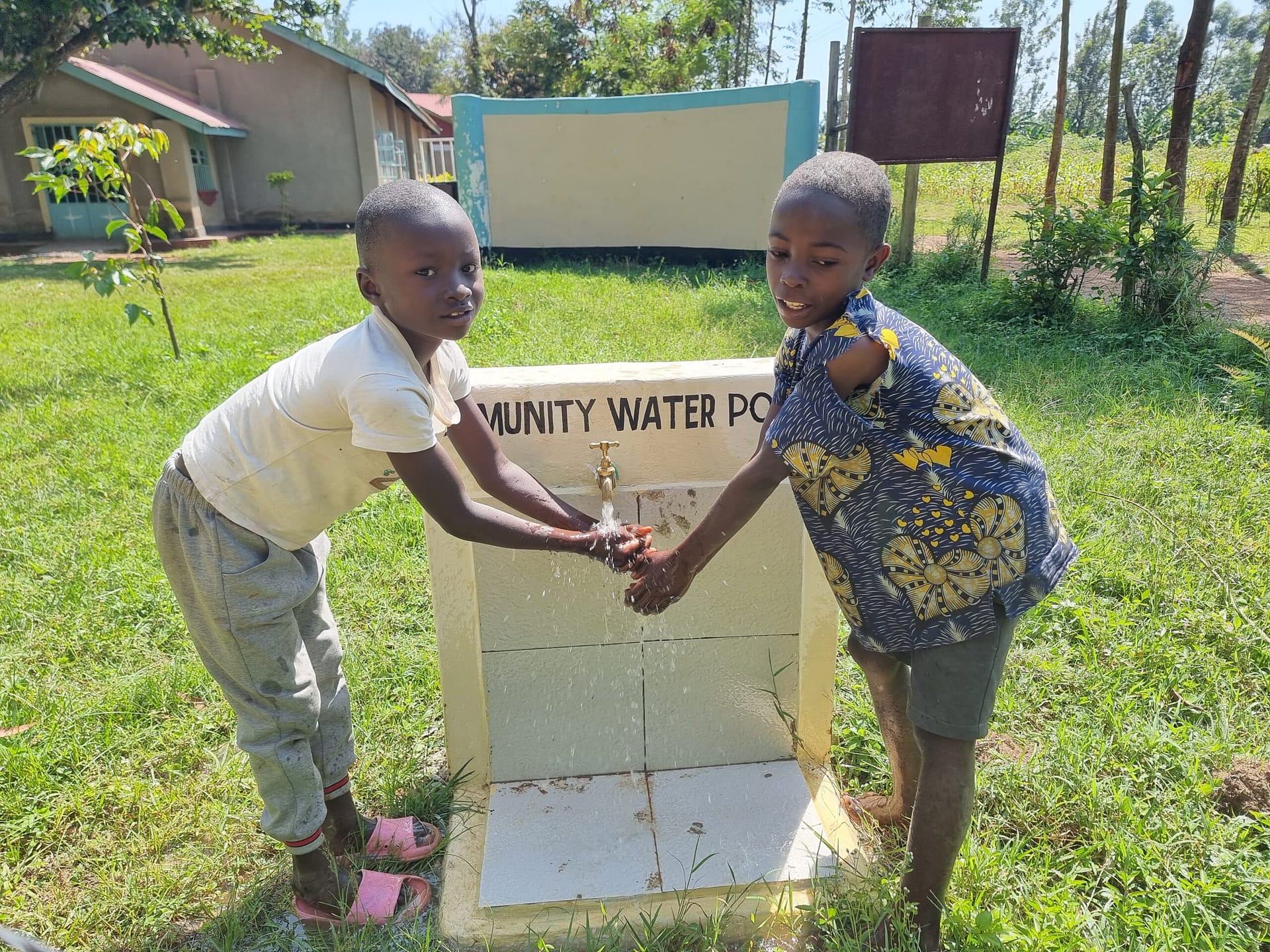
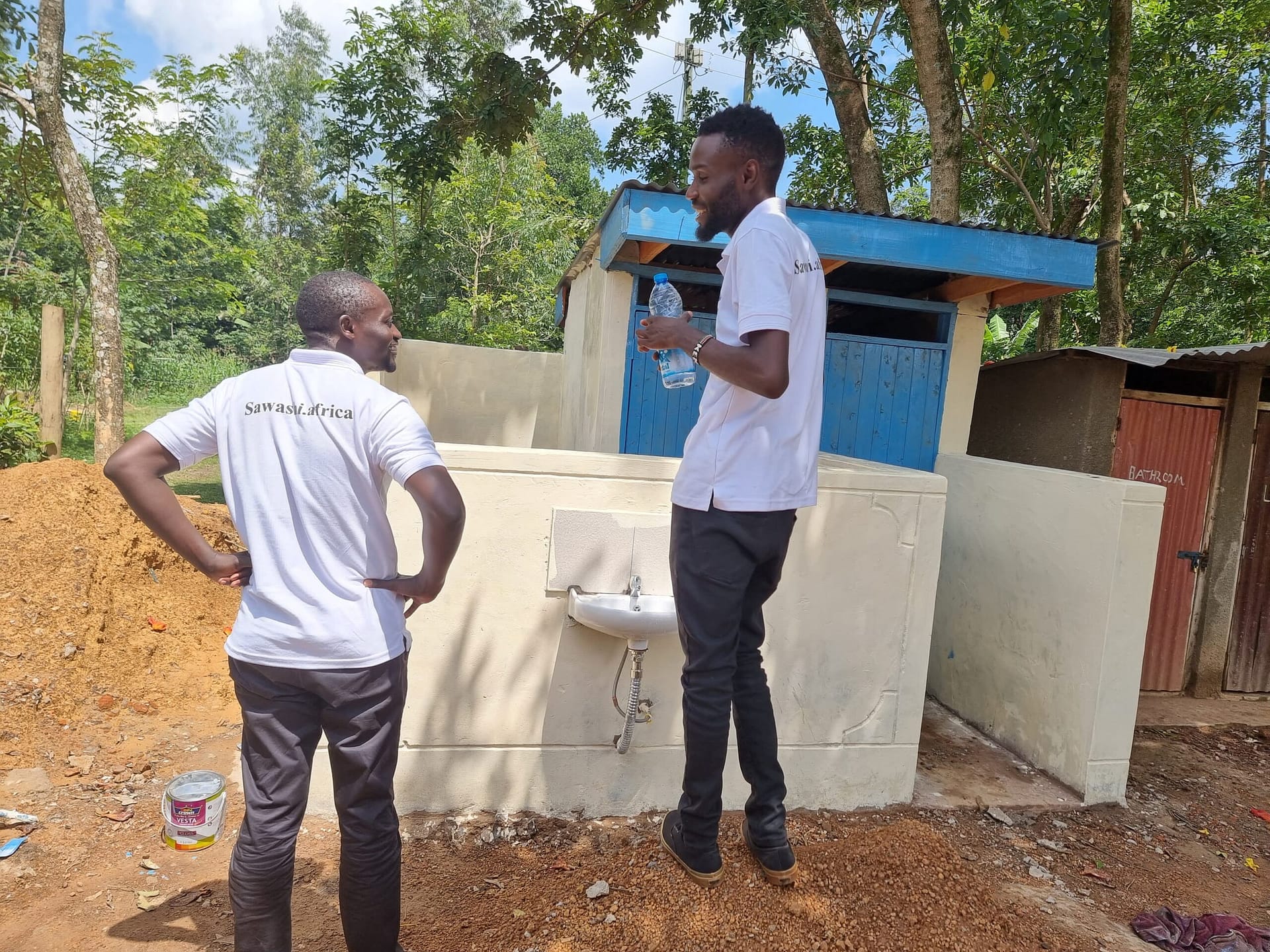
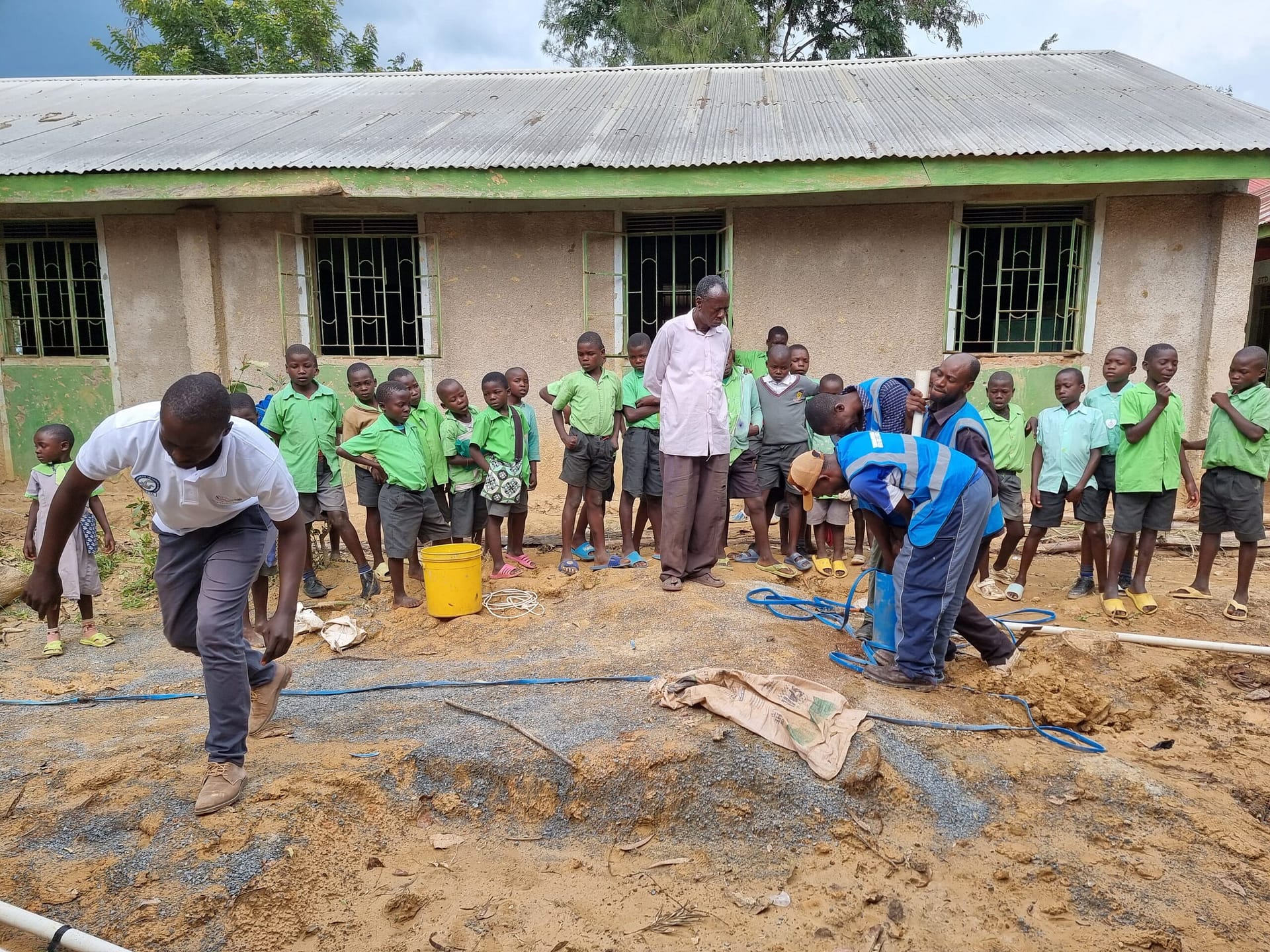
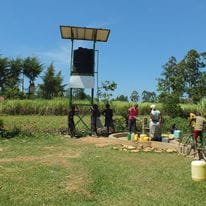
Completed in December 2024, the project delivered a comprehensive and sustainable WASH solution. Key achievements included the drilling of a new protected water well, installation of solar-powered pumping systems, construction of elevated water storage tanks, and distribution of clean water to strategic points across the community—including the church, hospital, primary and secondary schools, and communal water points. In addition, public toilets were constructed at schools and the healthcare facility, alongside handwashing stations that promote hygiene and disease prevention.

The impact of the project is profound and far-reaching. More than 3,000 community members now have direct access to safe, reliable water for the first time in Mungakha’s history. Students are no longer burdened with hauling water and can focus fully on their education. Health facilities are better equipped to provide care, sanitation conditions have improved, and the overall risk of waterborne diseases has been significantly reduced. The use of solar energy ensures environmental sustainability and long-term reliability of the system.

The success of the project was joyfully marked on February 20, 2025, when community members and local leaders gathered to celebrate this milestone during a ceremonial blessing led by Rt. Rev. Dr. Bishop Joseph Wandera. The event symbolized not only the arrival of clean water, but also renewed hope, dignity, and opportunity for the people of Mungakha.

The Mungakha WASH Improvement Project stands as a testament to what can be achieved through strong partnerships, community engagement, and sustainable design. WEFTA and SAWASHI are proud to have worked hand in hand with the people of Mungakha to create lasting change—demonstrating that access to clean water is not just a development goal, but a foundation for health, education, and a brighter future.


NABONGO CHURCH AND COMMUNITY WATER PROJECT

Faith in Action: Transforming Lives Through Clean Water at Nabongo Friends Church

In the bustling heart of Kakamega Town, Kenya, where water shortages have long plagued urban communities, the Nabongo Friends (Quakers) Church stood as a beacon of hope and resilience. For years, the congregation and neighboring households grappled with unreliable water supplies. Rainwater harvesting was their primary lifeline, but it faltered during dry seasons, leaving congregants vulnerable to waterborne diseases and forcing the church’s newly built public ablution block to sit idle after a previous hand-dug well collapsed, destroying equipment and dashing dreams. The church, serving over 1,500 people including congregants, traders, and local residents, knew something had to change; not just for survival, but to embody their faith’s call to serve the community.

Driven by a deep sense of stewardship and community ownership, the church leadership launched a determined fundraising campaign. This wasn’t just about money; it was a testament to faith in action, where congregants pooled their efforts to address a critical development need. Recognizing they couldn’t do it alone, they partnered with the Safe Water and Sustainable Hygiene Initiative (SAWASHI) and Water Engineers for the Americas and Africa (WEFTA). Together, this trio blended local initiative with technical expertise and international support, turning a vision into reality.

The project began with a hydrogeological survey to determine the perfect spot for underground water, leading to the drilling of a deep borehole right on the church grounds, equipped with a pure solar-powered pump and panels perched safely on the rooftop to draw abundant fresh water day after day. A towering tank stores and distributes it smoothly to every corner, with lab tests confirming it’s pure, safe, and ready to quench thirsts without a hint of harm. This brilliant, sun-driven system not only slashes electricity bills and embraces eco-friendly living but also echoes the church’s deep-rooted commitment to nurturing the world, turning a once-dry dream into a flowing fountain of hope for the entire community.

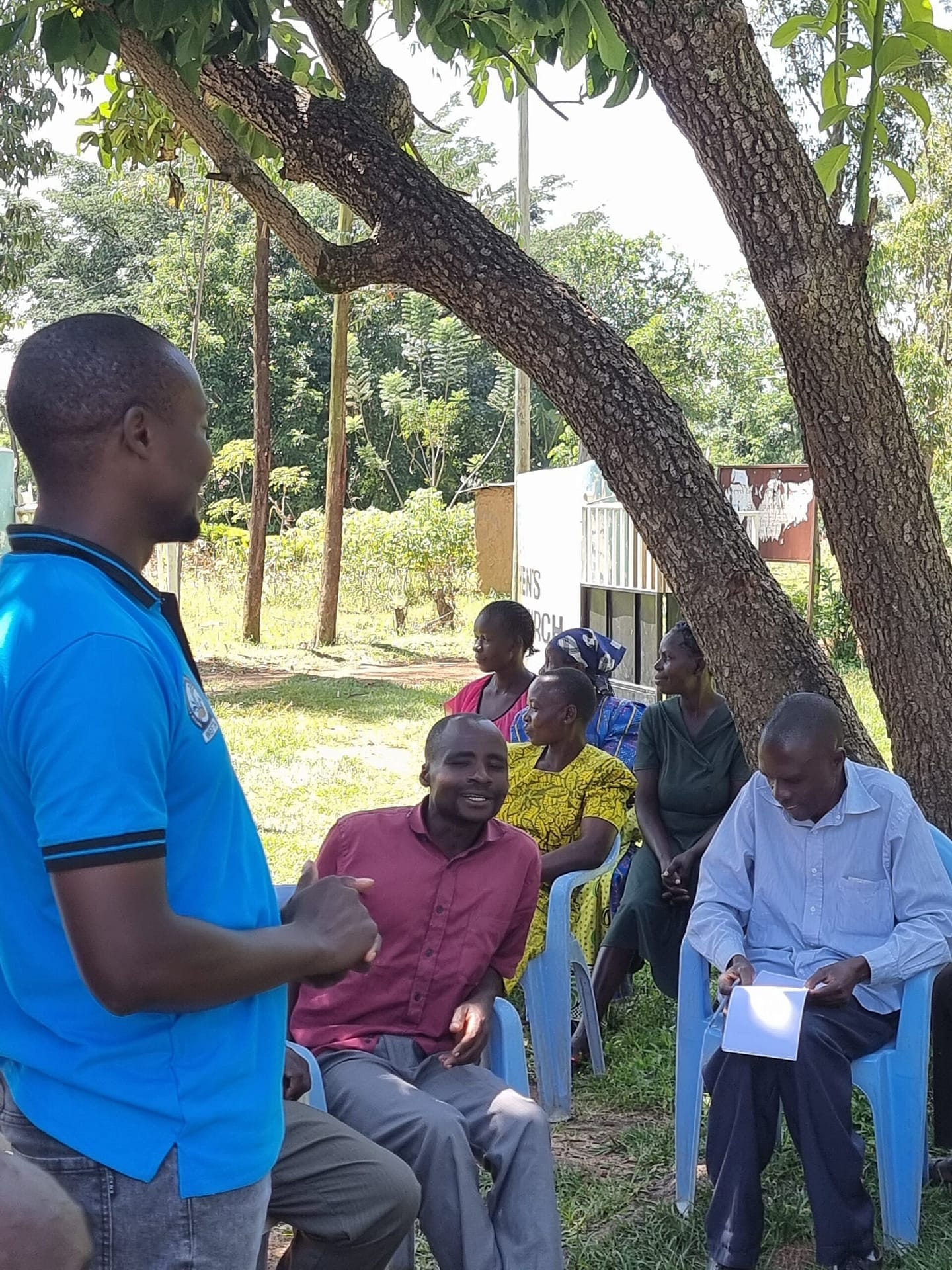
But infrastructure was only part of the story. To ensure longevity, the partners established the Nabongo Friends Church Water Board, a community-led governance body trained in leadership, financial management, maintenance, and compliance with Kenya’s Water Act (2016). With guidance from SAWASHI, WEFTA, and the Kakamega County Directorate of Water and Sanitation, the board adopted transparent practices, including regular meetings, cost-recovery mechanisms, and inclusive decision-making that prioritizes women, the elderly, and people with disabilities. 

The impact has been profound. Over 1,500 direct beneficiaries now enjoy year-round access to clean water, reducing the risk of diseases and improving hygiene. The ablution block is fully operational, providing dignified sanitation for congregants and neighbors alike. Plans are underway to open a public water kiosk and sell bulk water to the Kakamega Water and Sanitation Company (KAKWASCO), generating revenue for maintenance and community reinvestment. This shift from aid recipient to service provider has empowered the church, creating opportunities for jobs and economic growth in the neighborhood.

Lessons from this journey highlight the power of partnerships rooted in faith and ownership. The church’s substantial contribution built trust and accountability, while capacity building ensured sustainability beyond the project’s end. Solar technology proved a game-changer for cost-effective, green solutions, and collaboration with local government unlocked policy alignment with Kenya’s Vision 2030 and SDG 6 on clean water and sanitation.

Looking ahead, the Water Board aims to expand its reach, with ongoing support from SAWASHI and WEFTA in maintenance and compliance. This model of faith-driven development where a local church mobilizes resources, partners strategically, and builds resilient systems shows how spiritual conviction can drive tangible change. At Nabongo Friends (Quakers) Church, clean water isn’t just flowing from a borehole; it’s a symbol of hope, dignity, and community empowerment, proving that when faith meets action, even the driest challenges can bloom into lasting transformation.
KHALAKHA COMMUNITY WATER PROJECT


A Second Chance for Safe Water in Khalakha Community

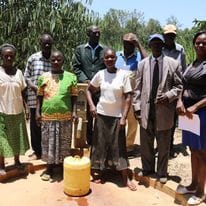
Khalakha Community Water project is one among the projects we have partnered with Barasa Foundation in Kakamega County.
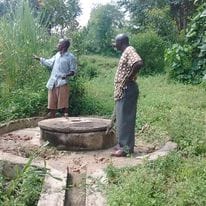
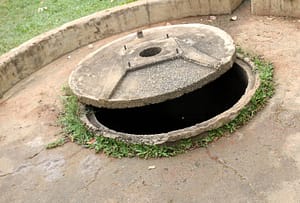
At the time of our intervention in 2021, the well that was once protected and installed with a hand pump was now open and the community was drawing water using a bucket tired to a rope. 

The well was installed in 1985 through a Kenya Finland Wash Partnership Program (KEFINCO) and installed with a NIRA 85 hand pump. The pump served the community well with minimal repairs until its catastrophic failure n 1999. Select members of the community had undergone operation and maintenance training of the pump hence they were able to fix break-downs with ease.
However, due to lack of a supply chain of the NIRA 85, accessing spares to replace worn of parts became a nightmare. Left with no other choice, the community was forced to unstill the pump and resorted to drawing water using a bucket and a rope despite the associated unhygienic risks.

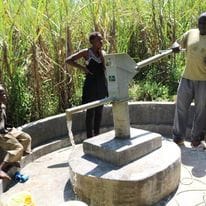
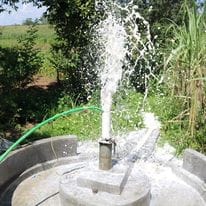
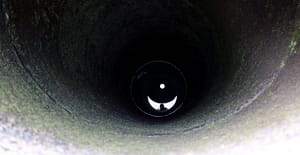
Our intervention entailed retraining the community on good hygiene habits, training of the water user committee on good governance, cleaning and disinfecting the well, construction of a well pad, installation of a Afridev hand pump which has a steady local supply chain and water quality analysis.

At the time of commissioning and handing over the well to the community, a total of 45 households were targeted to benefit from the project. To date Khalakha Community is still accessing water from the protected shallow well.

The past water challenges in Khalakha community is a reflection of the everyday reality for many communities in Western Kenya. Many communities are stuck with failed NIR 85 hand pumps which no longer serve the purpose, denying many people access to safe drinking water. Together we can reverse this trend.